A well-managed home needs to monitor hidden systems that affect safety, comfort, and energy use. The chimney is one of those systems. It can collect soot, develop moisture problems, or become blocked without showing obvious signs from inside the house.
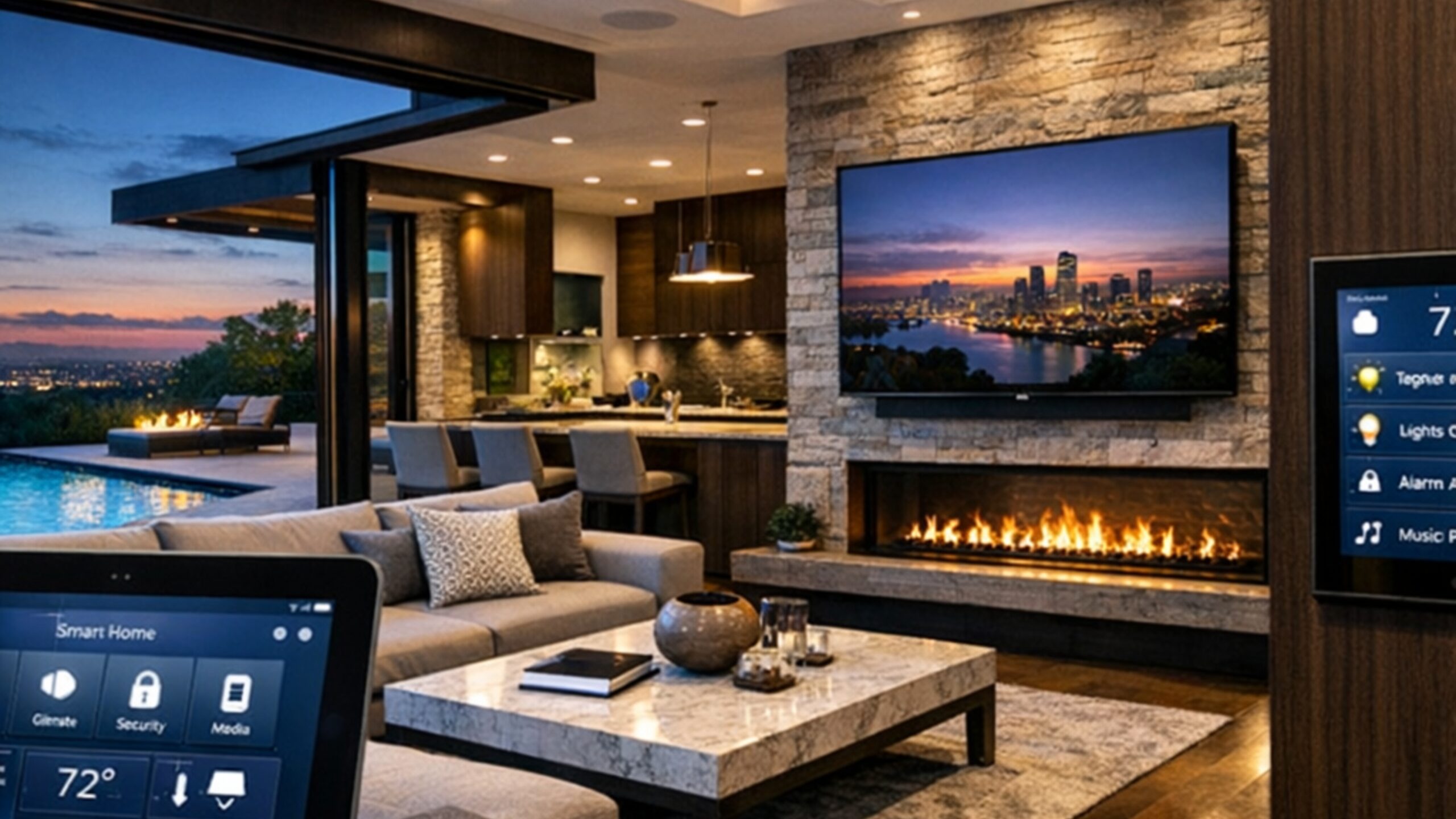
Modern technology can make this type of home maintenance easier. Smart home automation can connect sensors, cameras, alarms, thermostats, and other devices to create a more responsive home environment.
While technology cannot replace a trained professional, it can help homeowners notice warning signs earlier and manage routine tasks more efficiently. Here are 4 ways homeowners can use connected technology to improve chimney-related monitoring and overall home management.
1. Monitor Indoor Air Quality
Indoor air quality can tell homeowners a great deal about what is happening inside their property. When a fireplace or heating appliance uses a chimney, changes in smoke, carbon monoxide, or other air-quality readings may indicate that something needs attention.
Smart air-quality monitors can measure conditions inside living spaces throughout the day. Depending on the device, these systems may track carbon monoxide, carbon dioxide, smoke particles, humidity, and other indoor conditions.
A professional chimney inspection remains important because trained technicians can examine areas that sensors cannot evaluate. They can check the flue, chimney liner, masonry, venting system, and other components for problems that a household sensor cannot identify.
2. Detect Moisture and Temperature Changes
Water can cause serious damage to chimneys and other parts of a home. Leaks, condensation, damaged flashing, and poor ventilation can allow moisture to enter areas that homeowners rarely see. Over time, moisture can contribute to staining, mold growth, damaged masonry, rust, and structural deterioration.
Smart smart home automation.for humidity and temperature sensors can help homeowners track environmental changes. A sensor placed in a suitable location can identify unusual humidity levels or temperature patterns.
Temperature monitoring can also support safer fireplace management. Smart thermostats and compatible temperature sensors can show how temperatures change when a heating system operates. A sudden or unusual temperature pattern may encourage the homeowner to have the system checked.
3. Use Smart Cameras for Visual Monitoring
A chimney sits in a difficult location. Homeowners may not be able to safely inspect the exterior from ground level, while the inside of the flue remains inaccessible without proper equipment.
Smart outdoor cameras can provide a convenient way to monitor visible areas. A camera positioned to view the roofline or chimney exterior may help homeowners notice changes such as damaged masonry, visible cracks, missing components, or unusual conditions around the structure.
Some modern cameras can detect movement and send notifications when activity occurs. Others provide high-resolution images that homeowners can review remotely. This can be useful after severe weather, especially when strong wind, heavy rain, snow, or hail may have affected the roof and chimney.
4. Automate Maintenance Reminders and Scheduling
Home maintenance becomes difficult when homeowners have dozens of tasks to remember. Air filters need replacement. Smoke alarms need testing. Heating equipment needs service. Gutters need cleaning. Chimneys also need attention at appropriate intervals.
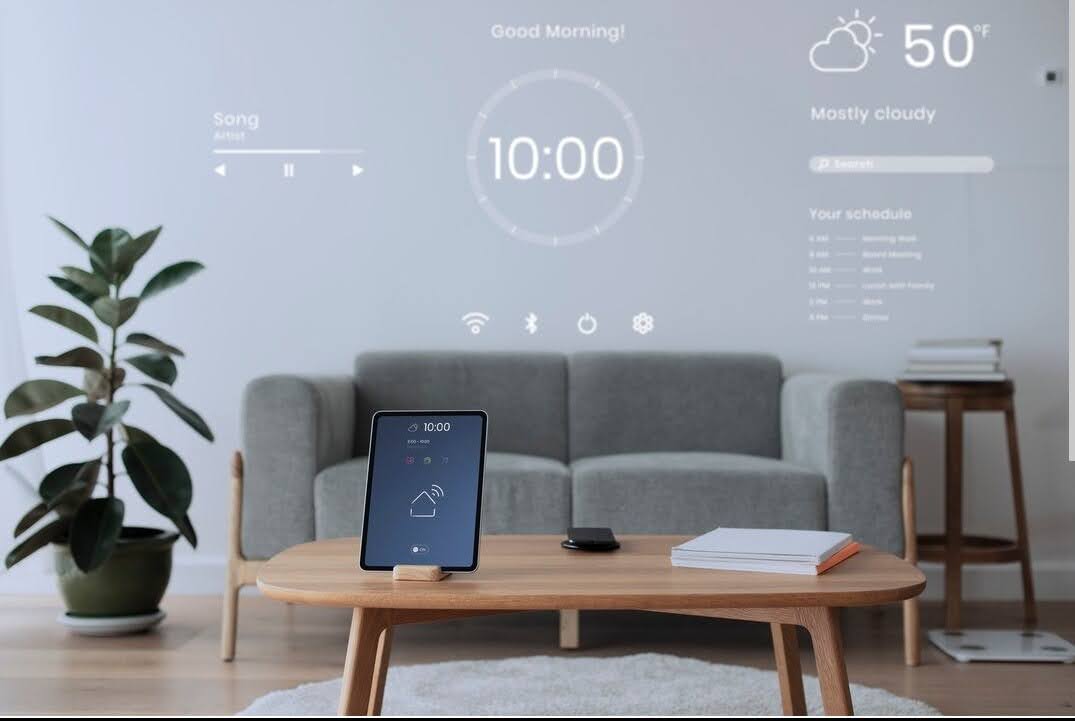
A connected home system can help organize these responsibilities through digital reminders and scheduled notifications.
Homeowners can create reminders based on seasons, previous maintenance dates, equipment use, or professional recommendations. Instead of relying on a paper calendar, they can receive an alert on a phone or connected home display.