
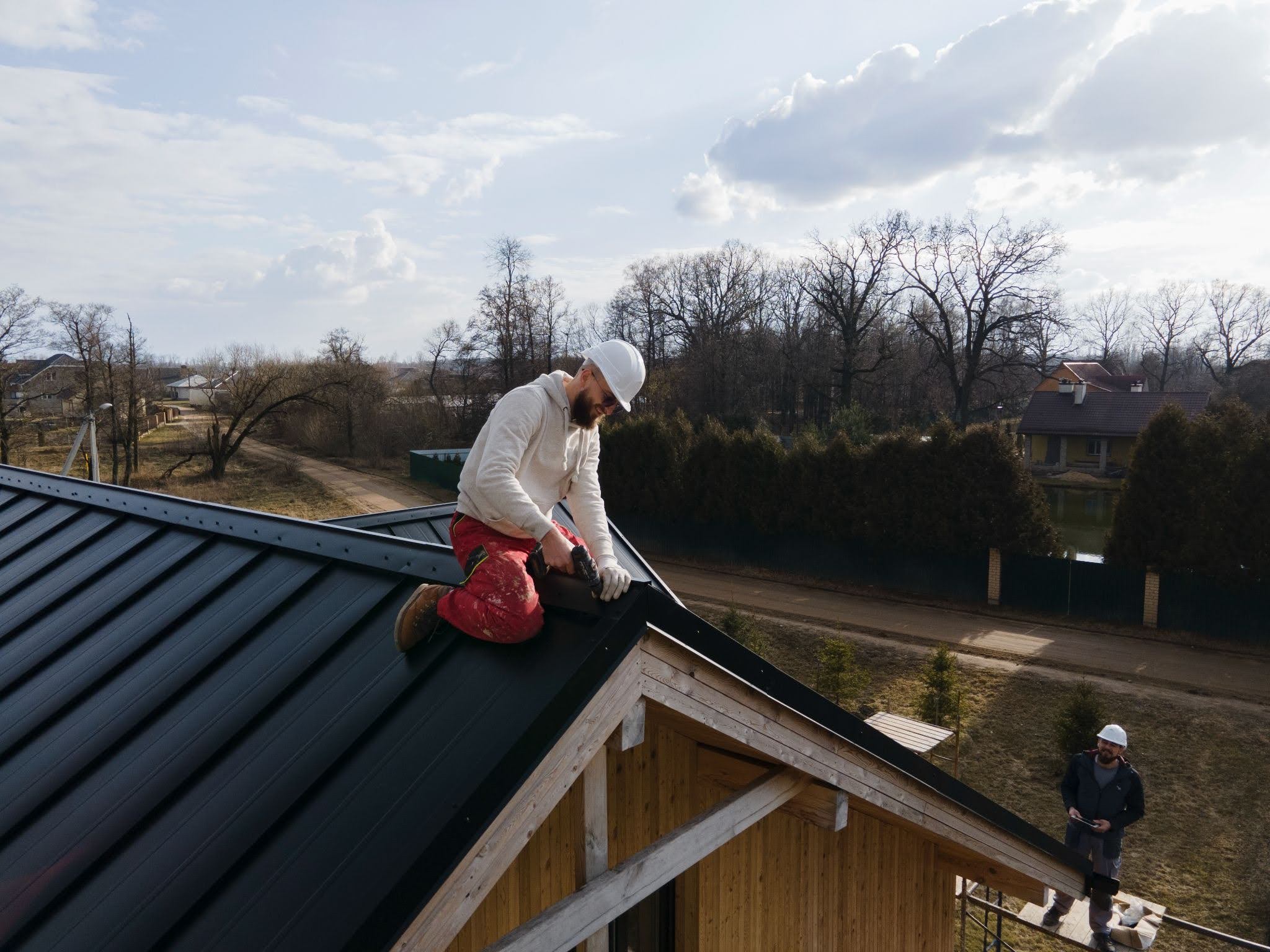
Your home is exposed to weather and wear. Rain, strong winds, temperature changes, and sunlight slowly affect its roof, windows, walls, and other parts. To protect it, it is important to take notice and address minor issues before they become expensive repairs.
Here is how you can keep your house in the best shape for comfortable living.
Inspect the Roof for Damage
Your home’s roof is one of the most important parts. It is protection from wind, rain, and sunlight. However, over time, roof shingles become loose, tiles start cracking, and vents can develop gaps. These problems can allow water to enter the home, damaging ceilings, walls, and insulation.
Inspect the roof for visible signs of damage, missing materials, and blocked drainage. Moreover, after a severe storm, check for water stains on ceilings and walls to see if there is a leak. Fixing small problems can prevent more extensive repairs later.
Protect Exterior Walls with Suitable Cladding
Your home’s exterior walls are constantly exposed to rain, sunlight, wind, and other weather elements. These conditions can cause paint to peel, cracks, and moisture retention. This is why protecting the walls can reduce the risk of damage.
Cladding is a protective outer layer that fits a building’s exterior. It is available in a lot of materials, such as fibre cement, metal, wood, and vinyl. The right option for your walls depends on your region’s weather, your house’s architecture, and the existing condition of the walls.
Hire Professional Builders for Inspections and Repairs
While some damage comes with clear signs, there might be silent deterioration going on in your home. Sometimes, when you start seeing signs, it usually means that your house has already suffered damage. This is why hiring professional builders for inspections and repairs is important.
They can help you assess certain construction and repair needs. They also explain the work required after identifying the damaged areas. Before hiring, make sure to ask about relevant experience, training, and costs.
Keep Windows and Doors Properly Sealed
When seals are broken, windows and doors can allow drafts and moisture into a home. When water enters, it can damage flooring, wooden frames, and nearby walls. Also, with damaged seals, maintaining indoor temperature is harder.
Make sure to check the seals of your doors and windows. Immediately replace worn weatherstripping and damaged caulking. If water still enters after these basic repairs, the problem may be due to installation issues or damage to the surrounding structure.
Maintain Gutters and Drainage Systems
Gutters and downspouts are necessary to direct rainwater away from the house. But when leaves, dirt, and debris block them, water starts to overflow and collect near exterior walls. With time, poor drainage can cause soil erosion, dampness, and damage to the house.
Clean your gutters regularly, particularly after periods when trees shed leaves. Make sure the downspouts are properly attached and direct water away from the foundation. Also, see if there is any sagging, leaks, or loose fittings that are preventing water from flowing properly. If water continues to collect near the foundation, you should hire a drainage specialist who will help you identify the root cause.