You do not always need to renovate your home by significantly changing the appearance of your living quarters. It only takes a new attitude toward your walls sometimes. The popularity of wall texture painting has increased over time due to the fact that it provides depth, character, and sophistication to the room. There are minor beauties and major statements that you can make with the correct texture that can entirely transform your interior. These are the best wall texture paint techniques to be considered in order to get a modern and stylish appearance.
Venetian Plaster: Classical Beauty
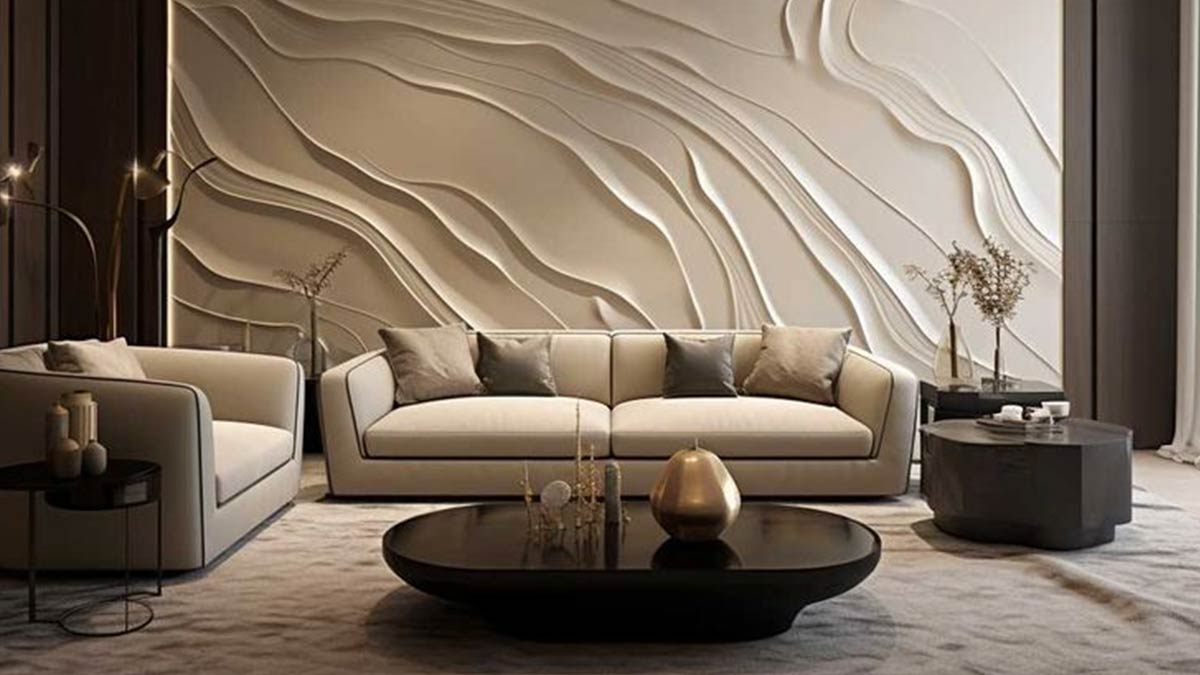
Venetian plaster is a high-end wall veneer that dates back centuries in Italy and is of Italian origin. It provides a marble-like look to the walls with slight differences in color and sheen. The method entails coating a thin layer of plaster that is then burnished to make it a smooth and reflective surface.
The versatility of Venetian plaster is one of the reasons that it has maintained its popularity in contemporary interiors. Customization of it can be done in a plethora of colors, including light shades to dark and dramatic. It would go remarkably well with modern furniture, metal decorations, and minimalism. Besides, its slightly reflective surface may be used to make small rooms look brighter and larger.
Sponging: lush and Comforting Texture
Sponging is an easy wall finish method that produces a mottled texture that is soft to the touch. It is the process of applying glaze on a base coat with the help of a natural sea sponge. Using a dabbing and lifting technique, you can come up with random designs that add warmth and character to the walls.
This technique is particularly good in the living room, bedroom, or hallway, where you will want to add a soft, natural touch without distractions. Layering up of colors is also made possible through sponging, and this gives you the liberty to explore and play around with colors and tones that best suit your stylish interior mood.
Rag Rolling: Artistic and Fine Finish
Rag rolling is one of the advanced techniques, which is carried out by rolling a rag on a freshly coated wall to produce smooth, flowing patterns. Compared to sponging, rag rolling gives the effect of motion to your walls as the shape turns out to be more elongated and organic.
It makes a perfect accent wall in the dining or the living room. To make it contemporary, one can add metallic or high-gloss glazes to the matte base colors. When applied together with light and texture, a simple wall can be turned into a beautiful point of focus.
Stucco or Knockdown Texture: Modern Beauty
Stucco and knockdown finishes suit the homeowners who want a more touchable finish that is rougher. Stucco: this is done by applying layers of plaster or jointing compound in a thick layer, which is either troweled or sprayed to give depth. Knockdown texture is more commonly applied using a thick coating, and the peaks are spanked using a trowel to create a small, flattened texture.
The methods suit well with the contemporary interiors, which give preference to raw materials and natural elements such as exposed woods, concrete, or stone. They also conceal small cracks in the walls, making them convenient in an older house or in a place where there is a lot of traffic.
Sand Paint: Soft, Elementary Touch
Sand paint is a clever idea in case the minimalistic look with a textural touch is needed. This paint is mixed with fine sand particles and generates a slightly rough surface, which is not too overpowering but gives dimension. It fits Scandinavian or industrial interiors in particular, with the very minimal textures being in balance with the clean lines and muted color schemes.
Sand paint is also available in many finishes, matte to semi-gloss, and you can regulate the effect of light on the wall surface. The combination of various tones can create a subtle, contemporary appearance that is natural and natural.
Stenciling and Faux Finishes: imaginative Suppleplicity
To those who tend to be more artistic, stenciling and faux finishes provide unlimited opportunities. Stenciling is an art technique that entails applying prepared patterns to a wall in order to create repeated patterns and faux finishes that are an attempt to resemble natural substances such as stone, wood, or concrete.
Contemporary interior designers tend to blend these methods to make the statement walls stylish and personal. As an example, a master bedroom or living room can be converted into an industrial-but-trendy environment by applying a faux concrete finish that has a faint metallic glaze. The trick is to maintain a balance between patterns and colors to make the space look harmonious and modern.
Integration of the Techniques: Individualized Modernity
A combination of different techniques to make a unique appearance is one of the most thrilling tendencies in wall texts. As an example, a Venetian plaster accent wall in a living room might be used with the rest of the sides having sand-textured walls. On the same note, a corridor may have sponging on the bottom part and a smooth, glossy finish on the top.
The combination of the textures provides a layer of visual appeal without losing the very contemporary and stylish look. The liaison is to keep a balance in the colors, patterns, and finishes to make the space look purposeful, not to be in disarray.
Tips on Professional Finish
- Start with Small: Practice it out on a test board first before attempting to employ a technique on the whole wall. This can assist in making adjustments to colors and patterns without making a final error.
- Find the Correct Equipment: Good quality brushes, sponges, trowels, and rollers do count a lot in creating clean and professional work.
- Gradually add a layer: Numerous texture methods involve layers. It is better to apply thin layers and then add more and more to achieve the required effect, so as to avoid heavy, uneven surfaces.
- Secure Environment: Protect the wood and furniture, apply painter’s tape to make sharp edges around cut trim or ceilings.