In hospitals, clinics, and other medical facilities, cleanliness is not only about visible tidiness but also about hidden risks that can affect patient safety. One of the most important factors in maintaining a healthy environment is managing pests such as insects and rodents. These pests can spread harmful bacteria and contaminate medical spaces. This is where healthcare pest control plays a critical role. It helps ensure that healthcare environments remain safe, clean, and suitable for patient care by preventing pest-related health risks and maintaining strict hygiene standards.
Importance of Clean and Pest-Free Healthcare Settings
A healthcare environment must always be clean because patients often have weakened immune systems and are more vulnerable to infections. Even a small pest problem can create serious health risks in such sensitive places. Pests like cockroaches, rats, and flies can carry diseases and contaminate food, medical tools, and surfaces. A pest-free setting also helps build trust among patients and their families, as they feel more confident about receiving treatment in a safe space. Maintaining cleanliness is not only about appearance but also about protecting lives.
Role of Healthcare Pest Control in Infection Prevention
One of the main goals of healthcare pest control is to prevent the spread of infections. Pests are known carriers of harmful microorganisms that can easily transfer to patients, staff, and equipment. In hospitals, where surgeries and treatments take place, even a minor contamination can lead to serious complications. Pest control systems are designed to stop these risks before they develop. By keeping pests away, healthcare facilities can reduce the chances of hospital-acquired infections and maintain a higher level of safety for everyone.
Methods Used in Healthcare Pest Control
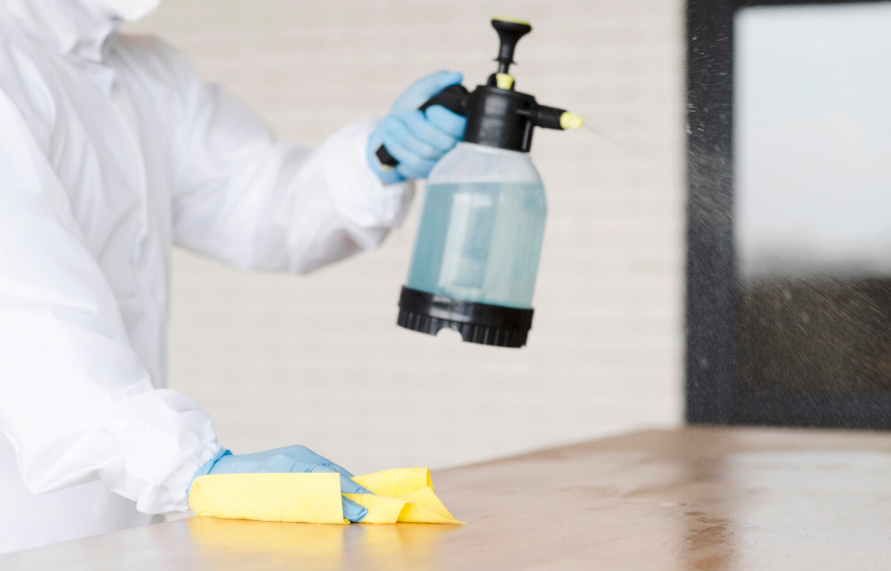
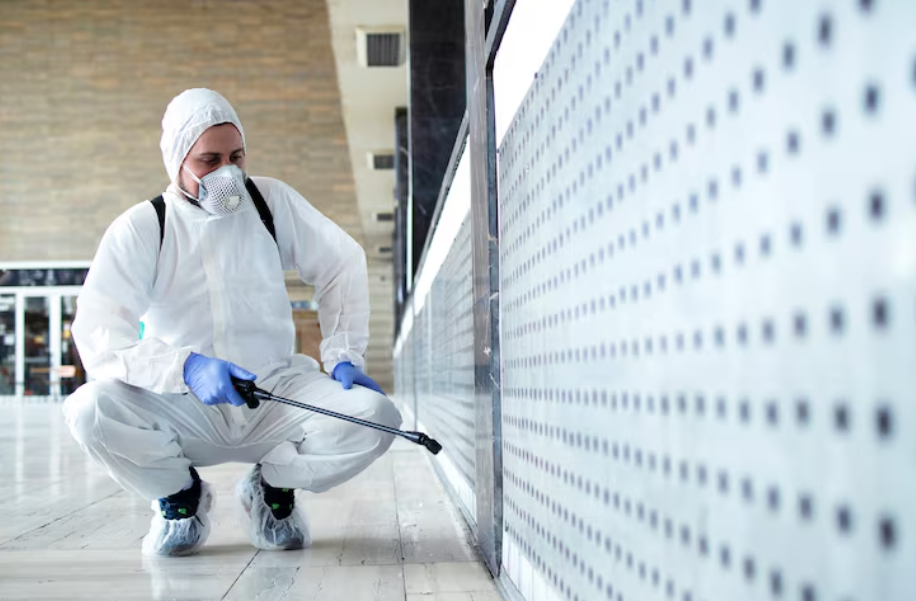
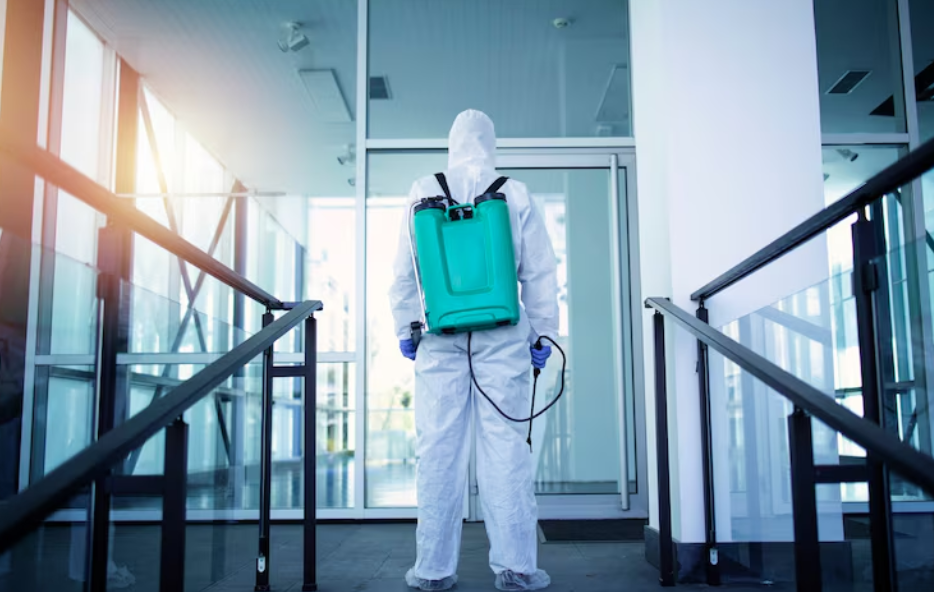
Healthcare pest control uses safe and carefully planned methods to manage pest problems without harming patients or medical operations. Regular inspections are carried out to identify any signs of pests early. Safe cleaning practices and proper waste management are also important parts of prevention. Sealing entry points such as cracks and gaps helps stop pests from entering buildings. In some cases, specially approved pest control treatments are used in controlled areas to eliminate infestations. All these methods are applied in a way that does not interfere with patient care or medical procedures.
Benefits for Patients and Medical Staff
Effective pest control provides several benefits for both patients and healthcare workers. Patients experience a safer and more comfortable environment, which helps in faster recovery and better treatment outcomes. Medical staff can perform their duties without worrying about contamination or hygiene issues caused by pests. A clean environment also reduces stress and improves overall efficiency in healthcare operations. When pests are properly controlled, hospitals can focus more on delivering quality care instead of dealing with preventable health risks.
Conclusion
In conclusion, maintaining a pest-free environment is an essential part of healthcare management. Healthcare pest control ensures that hospitals and clinics remain safe, hygienic, and fully equipped to protect patients and staff from harmful pests. By preventing contamination, reducing infection risks, and supporting cleanliness, it plays a vital role in modern healthcare systems. A strong pest control strategy is not just about removing pests but about creating a healthier and safer future for everyone in medical environments.