
Maintaining a safe and secure home environment is a primary responsibility for every homeowner. While many people focus on external security measures like locks and cameras, true protection also involves addressing internal mechanical hazards and structural vulnerabilities.
A proactive approach to household management can prevent common domestic disasters, such as fires, floods, and structural decay.
By implementing a consistent schedule for inspections and specialized maintenance, you can ensure that your living space remains a reliable sanctuary that protects both your physical well-being and your financial investment for years to come.
Securing the Building Perimeter and Entry Points
The first line of defense against external threats is a robust physical perimeter. Ensuring that all exterior doors are equipped with high-quality deadbolts and reinforced strike plates significantly reduces the risk of unauthorized entry.
It is equally important to inspect window locks and consider installing shatter-resistant film on ground-level glass. Beyond hardware, exterior lighting plays a crucial role in home protection.
Motion-activated floodlights around the garage and backyard can deter intruders and provide a safer environment for family members arriving home after dark, creating a visible deterrent that enhances overall security.
Reducing Fire Hazards with Regular Dryer Vent Cleaning
One of the most overlooked risks in a modern household is the accumulation of lint within the laundry system. To mitigate this significant fire hazard, scheduling professional dryer vent cleaning at least once a year is essential.
Over time, highly flammable lint bypasses the trap and settles deep within the exhaust duct, where it can be ignited by the intense heat of the dryer.
Beyond safety, regular dryer vent cleaning improves the efficiency of your appliance, allowing clothes to dry faster and reducing energy consumption. Keeping this pathway clear ensures that heat and moisture are safely exhausted outside, protecting your home from internal combustion.
Ensuring Reliable Warmth through Seasonal Furnace Maintenance
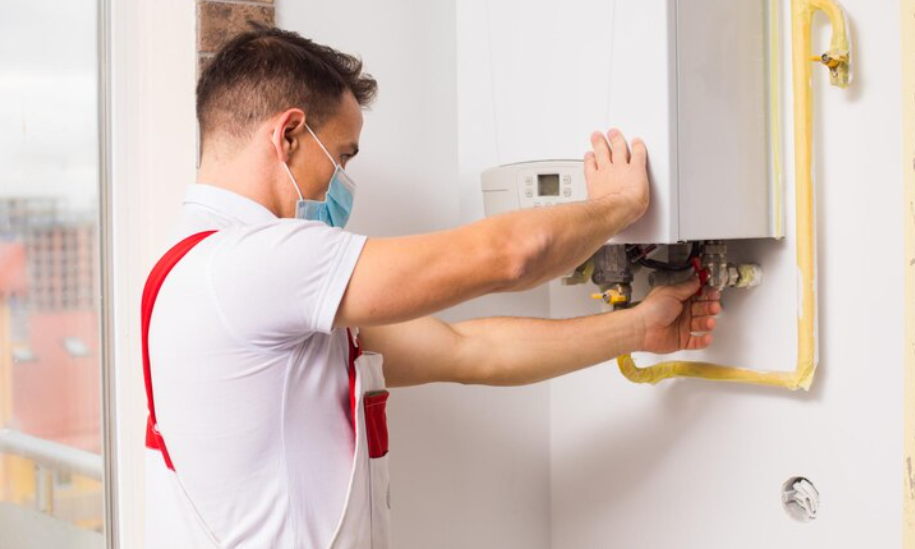
As temperatures drop, the dependability of your heating system becomes a matter of both comfort and safety. Routine furnace maintenance is vital to ensure that your heating unit operates without the risk of carbon monoxide leaks or electrical failures.
During a professional service visit, a technician will inspect the heat exchanger for cracks and verify that the venting system is unobstructed. Consistent furnace maintenance also includes cleaning burners and replacing filters, which prevents the system from overheating or stalling during a cold snap.
A well-maintained furnace provides a steady, safe source of warmth, protecting your family from the dangers of extreme winter weather.
Implementing Water Damage Prevention and Detection
Water damage is one of the most frequent and costly issues facing homeowners, often caused by slow leaks or sudden pipe bursts. Protecting your home involves regular inspections of the plumbing under sinks, around water heaters, and behind appliances like dishwashers.
Installing smart water leak detectors near these high-risk areas can provide an instant alert to your smartphone at the first sign of moisture.
Furthermore, ensuring that your gutters and downspouts are clear of debris prevents water from pooling around the foundation, which is critical for maintaining the structural integrity of your home and preventing basement flooding.
Maintaining Electrical Safety and Preventing Overloads
Modern homes are filled with power-hungry electronics that can strain older electrical infrastructures. To protect your property from electrical fires, avoid the long-term use of extension cords and ensure that high-wattage appliances are plugged directly into dedicated outlets.
It is also wise to have a professional electrician inspect your breaker panel for signs of wear or scorching. Installing a whole-house surge protector can safeguard your sensitive devices from voltage spikes caused by lightning or grid fluctuations.
By keeping your electrical system in top condition, you reduce the risk of short circuits and maintain a reliable power environment.