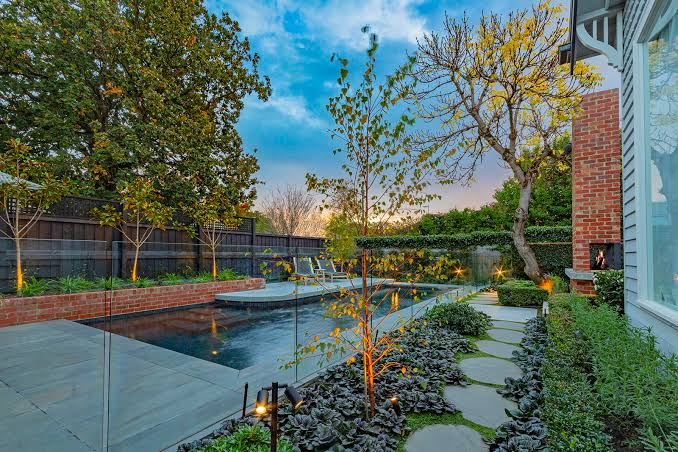

Designing a residential garden is a rewarding way to enhance your quality of life and increase your home’s value. By treating your outdoor space as an extension of your living area, you can create a sanctuary for relaxation and connection with nature.
Achieving a cohesive look requires intentional planning, patience, and a strategic application of professional principles. With a clear vision and a bit of creativity, you can transform any yard into a sustainable and visually stunning outdoor oasis.
Analyze Your Needs and Lifestyle
Before you begin digging or purchasing materials, take time to evaluate how you intend to use your outdoor space. Do you need a dedicated area for children to play, a quiet corner for reading, or a functional space for hosting large dinner parties?
Identifying these functional zones early on is a vital step in effective landscaping design. Consider the natural flow of movement from your home to the yard and ensure that your layout facilitates easy access to different areas. Creating a clear list of priorities will help you allocate your budget and resources effectively.
Observe Sunlight and Soil Conditions
Nature should be your primary guide when selecting plant species. Spend a few days observing how sunlight moves across your property at different times of the day.
Some areas may remain in deep shade, while others might experience intense, direct sun. Furthermore, test your soil to understand its drainage and nutrient content.
Choosing plants that are naturally suited to your specific light and soil conditions is the hallmark of a smart landscaping design. This ensures that your garden remains healthy with minimal intervention, saving you time and money on maintenance.
Focus on Scale and Proportion
A common mistake in home garden planning is choosing elements that are either too large or too small for the space. If your yard is modest, oversized features can make it feel cluttered. Conversely, small, delicate plants can get lost in a massive, sprawling lawn.
Aim for balance by incorporating a variety of textures, shapes, and heights. Use taller trees or shrubs to create a sense of vertical interest, while keeping lower-growing perennials closer to pathways. This variation creates depth and visual harmony.
Incorporate Hardscaping Elements
While plants provide the life and color of a garden, hardscaping—such as stone paths, patios, and retaining walls—provides the structure. These elements are essential for creating functional surfaces that remain accessible throughout the year.
Choose materials that complement the architecture of your house to create a seamless transition between the indoors and the outdoors. Well-placed pathways also guide the eye and invite visitors to explore different sections of your property, adding a layer of intrigue.
Embrace Seasonal Variety
A truly successful garden is one that evolves with the changing seasons. Rather than relying solely on plants that bloom for a short time, incorporate evergreen shrubs for year-round structure and foliage.
Layering your plantings ensures that there is always something interesting to look at, whether it is spring flowers, summer greenery, or colorful autumn leaves. A thoughtful landscaping design considers the full cycle of the year, ensuring your home exterior remains vibrant regardless of the calendar date.
Start Small and Expand
It is easy to become overwhelmed by the scope of a large project. Instead of trying to renovate your entire property at once, consider dividing the work into manageable phases.
Focus on one section at a time, ensuring each area is complete before moving on to the next. This approach allows you to adjust your plans as you learn more about your environment.
By taking your time, you ensure that every detail receives the attention it deserves, resulting in a cohesive, beautiful space you will enjoy for years.